A Carnival Memory, a Lower Back Mark, and the Meaning of Sacrifice
At sixteen, life feels louder, brighter, and more intense. Every experience seems permanent, every decision charged with meaning. That was exactly the age when I got my first tattoo—a moment that still lives vividly in my memory, not just because of the ink on my skin, but because of the story, the setting, and the symbolism behind it.
It happened during carnival, a time already filled with color, noise, music, and freedom. Carnivals have always carried a special energy for me: a brief moment when the rules loosen, when self-expression is celebrated, and when memories are made almost accidentally. What made this carnival unforgettable, though, was that my mother took me there. That alone says a lot. Many parents would have said no, drawn a hard line, or insisted I wait until I was older. Instead, my mom trusted me—and that trust shaped the meaning of the tattoo as much as the symbol itself.

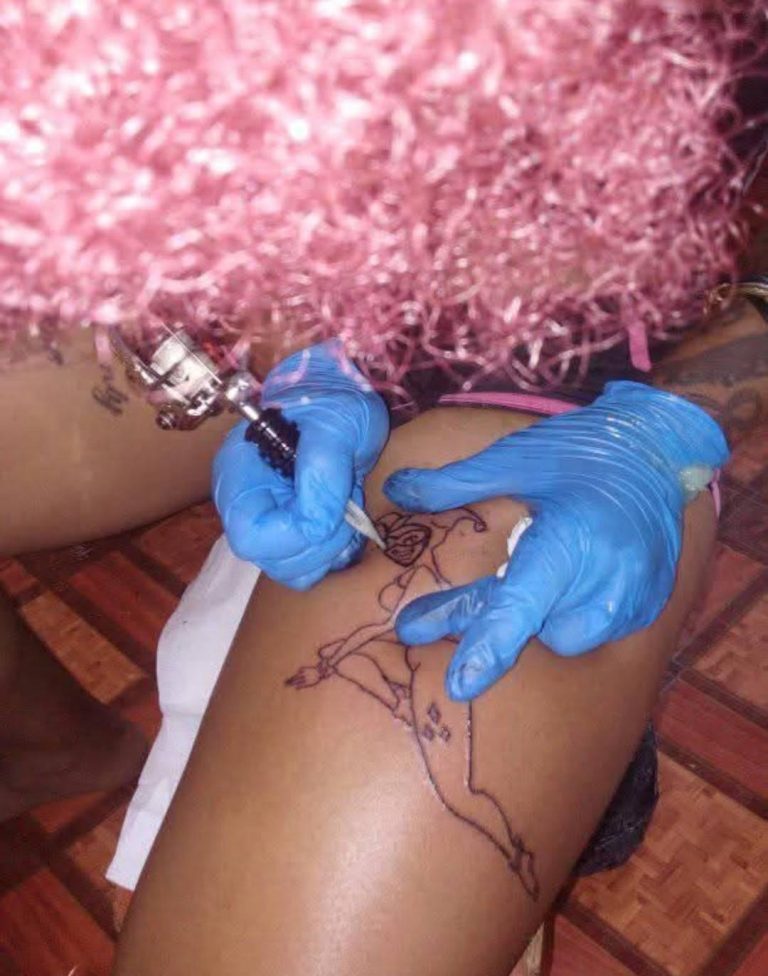
In the middle of the carnival chaos, there was a tattoo artist named Rudi. His booth stood out, not because it was flashy, but because it felt grounded and real. The hum of the tattoo machine blended with distant music and laughter. When I sat down, nervous but sure, I knew this wasn’t just about doing something rebellious. It was about marking a moment in my life when I was stepping from childhood into something more aware and intentional.
Rudi inked the tattoo on my lower back: a Slesensel. The symbol carries the meaning of sacrifice. At sixteen, sacrifice might sound like a heavy concept, but even then, it resonated deeply with me. Sacrifice isn’t only about loss; it’s about choosing something meaningful over something easy. It’s about giving a part of yourself to grow into the person you’re becoming.
The pain was sharp but manageable, almost grounding. Each sensation made the moment more real, more permanent. I remember thinking that this pain was part of the ritual—that nothing important comes without discomfort. When Rudi finished, the tattoo felt warm, alive, like it already belonged to me. It wasn’t just ink on skin; it was a statement.
What makes this tattoo especially powerful is my mother’s presence. She didn’t just allow it—she witnessed it. That act turned the tattoo into something more than personal expression; it became a shared memory, a symbol of trust between us. In a way, her willingness to stand beside me was its own sacrifice, letting go a little as I claimed ownership of my body and my choices.
Years later, the tattoo still sits on my lower back, unchanged, while I have changed in countless ways. Its meaning has grown with me. Sacrifice now represents time, relationships, dreams deferred, and lessons learned the hard way. The Slesensel reminds me that growth often requires giving something up—and that those choices define us.
My first tattoo wasn’t just a teenage milestone. It was a rite of passage set against the backdrop of carnival lights, guided by an artist named Rudi, and supported by a mother who trusted me enough to let me decide. It remains a permanent reminder that identity is shaped not only by what we gain, but by what we are willing to sacrifice.